Pool Flow Meters

(19 products)

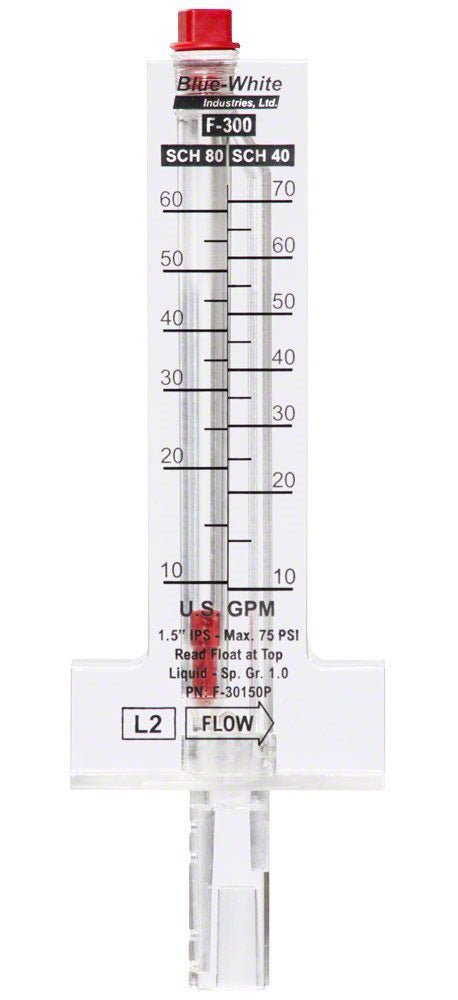
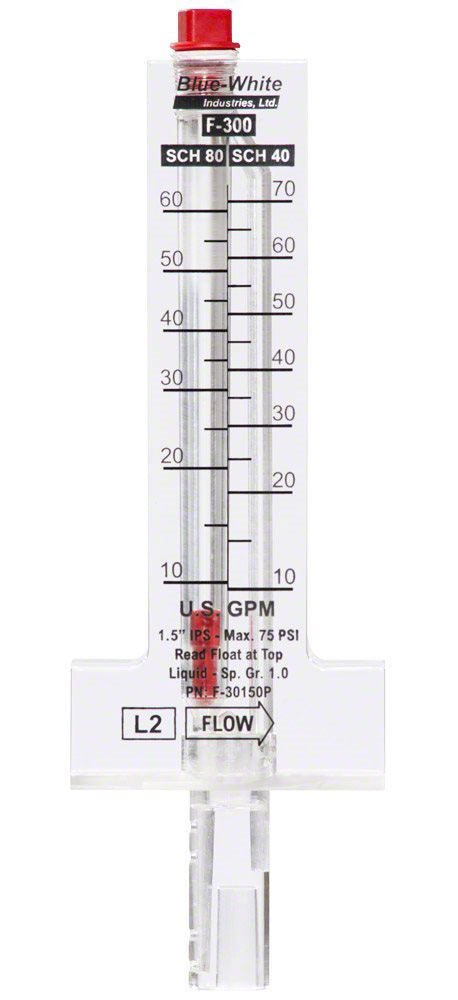
Pool flow meters let you monitor water flow rate through your circulation system so you can confirm your pump is performing correctly and keep flow balanced across multiple lines. EZ Pools carries inline and insertion-style flow meters in common residential pipe sizes for straightforward installation into existing plumbing. Browse our selection below and get free shipping

View as

H2Flow FV-C-15 FlowVis Flow Meter Check Valve - Side

Why Pool Flow Meters Matter

Flow rate is one of the most useful and least monitored metrics in a residential pool system. Your pump has a rated flow range, your filter has a maximum flow rate, and your sanitization system works most effectively within a specific flow window. Without a flow meter, you are guessing at all three. A flow meter gives you a real number to work with so you can confirm your system is operating as designed and catch problems like a clogged impeller or a partially closed valve before they cause equipment damage.

Flow meters are also important in pools with multiple returns, water features, or dedicated spa lines. When flow is split between several lines, balancing that flow without a meter is difficult. A small adjustment to one valve can starve another line entirely. Installing flow meters on each branch lets you dial in the balance accurately and verify it holds over time rather than relying on guesswork.

For pools with variable speed pumps, a flow meter is especially useful. Variable speed pumps allow you to dial down RPM to save energy, but reducing pump speed also reduces flow. A flow meter lets you find the lowest speed that still delivers adequate turnover and filtration, which is where most of the energy savings from a variable speed pump actually come from.

Choosing and Installing a Pool Flow Meter

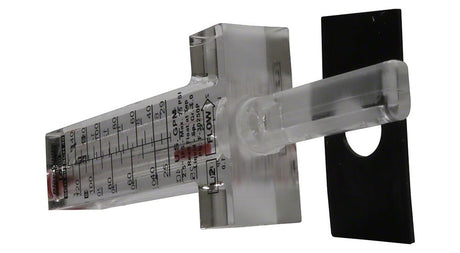
The two main types of pool flow meters are inline and insertion style. Inline flow meters are plumbed directly into the pipe run as a section of pipe and give a continuous reading from a sight glass or digital display on the outside of the body. Insertion flow meters are installed through a fitting tapped into an existing pipe and are easier to add to a system that is already plumbed. Both types work well for residential applications -- the right choice depends mostly on whether you are installing during a build or adding to an existing system.

Pipe size is the primary spec to confirm before ordering. Most residential pool plumbing runs 1.5 inch or 2 inch pipe and flow meters are sized to match. The flow meter needs to match the pipe diameter exactly for an accurate reading. Installing a flow meter on a section of pipe that is upsized or downsized from the rest of the run will affect the reading and may require adapters to plumb correctly.

Placement matters too. Flow meters are most accurate when installed on a straight section of pipe with no bends, valves, or fittings close to the inlet side. Most manufacturers recommend a minimum straight run of five to ten pipe diameters upstream of the meter. This is worth planning for when selecting the installation location, especially on a tight equipment pad where straight runs are limited.

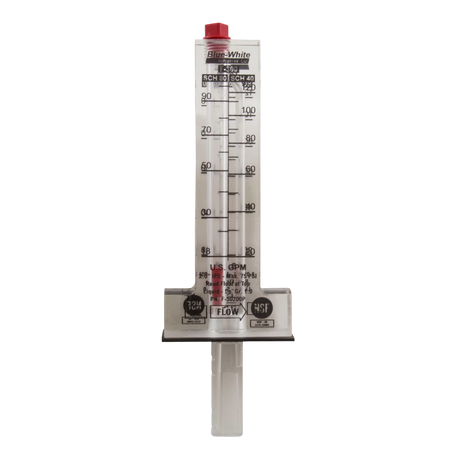
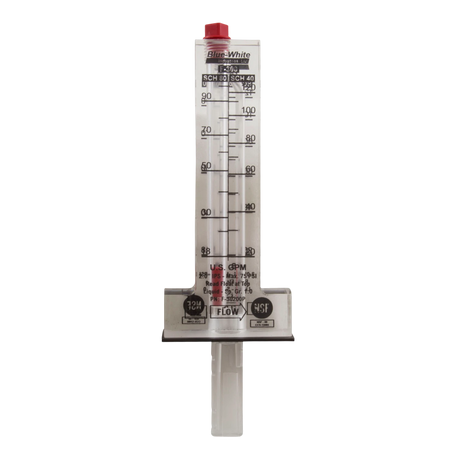
Blue-White RB-200S4-GPM1 Flow Meter - Front

Frequently Asked Questions

Do I need a flow meter for my pool?
A flow meter is not required but it is a useful diagnostic and balancing tool. It lets you confirm your pump is delivering adequate flow, verify your filter is not being overloaded, and balance flow across multiple lines or features. Pools with variable speed pumps or multiple return lines benefit the most from having a flow meter installed.
What is the difference between an inline and insertion pool flow meter?
An inline flow meter is installed as a section of pipe in the plumbing run and reads flow through its full bore. An insertion flow meter is installed through a tapped fitting in an existing pipe and is easier to add to a system that is already plumbed. Both provide accurate readings for residential applications.
What size flow meter do I need for my pool?
Match the flow meter to your pipe size. Most residential pools run 1.5 inch or 2 inch PVC, so check your existing pipe diameter before ordering. Installing a flow meter that does not match your pipe size will affect accuracy and may require additional fittings to install correctly.
Where should I install a pool flow meter?
Install the flow meter on a straight section of pipe with no bends, valves, or fittings close to the inlet side. Most manufacturers recommend at least five to ten pipe diameters of straight run upstream of the meter for an accurate reading. On a tight equipment pad, plan your installation location before ordering to make sure a suitable straight run is available.
What other pool plumbing parts might I need with a flow meter?
Depending on your setup you may need unions and fittings to plumb the meter into your existing lines, or ball valves on each branch line if you are balancing flow across multiple returns. Browse our full pool plumbing supplies section for everything you need.

Frequently Asked Questions

Do I need a flow meter for my pool?
A flow meter is not required but it is a useful diagnostic and balancing tool. It lets you confirm your pump is delivering adequate flow, verify your filter is not being overloaded, and balance flow across multiple lines or features. Pools with variable speed pumps or multiple return lines benefit the most from having a flow meter installed.
What is the difference between an inline and insertion pool flow meter?
An inline flow meter is installed as a section of pipe in the plumbing run and reads flow through its full bore. An insertion flow meter is installed through a tapped fitting in an existing pipe and is easier to add to a system that is already plumbed. Both provide accurate readings for residential applications.
What size flow meter do I need for my pool?
Match the flow meter to your pipe size. Most residential pools run 1.5 inch or 2 inch PVC, so check your existing pipe diameter before ordering. Installing a flow meter that does not match your pipe size will affect accuracy and may require additional fittings to install correctly.
Where should I install a pool flow meter?
Install the flow meter on a straight section of pipe with no bends, valves, or fittings close to the inlet side. Most manufacturers recommend at least five to ten pipe diameters of straight run upstream of the meter for an accurate reading. On a tight equipment pad, plan your installation location before ordering to make sure a suitable straight run is available.
What other pool plumbing parts might I need with a flow meter?
Depending on your setup you may need unions and fittings to plumb the meter into your existing lines, or ball valves on each branch line if you are balancing flow across multiple returns. Browse our full pool plumbing supplies section for everything you need.

Shop Flow Meters

Shop our selection of pool flow meters and find the right meter for your pipe size and installation setup. EZ Pools carries inline and insertion flow meters for residential pool plumbing with free shipping on qualifying orders.